“Zero-Injury Safety Program” at Indiana Bridge
At Indiana Bridge, we strive daily for safety excellence. We adhere to a company safety program called “Zero Injury.” The acceptable amount of workplace injuries is zero, and we incorporate a number of controls to protect our employees and make our shop a safe place to work. Our goal every day is to send everyone home in the same or better condition than when they came to work. To learn more about our safety program, contact us.
Delivering Steel and Steel Erection Safely & On Time
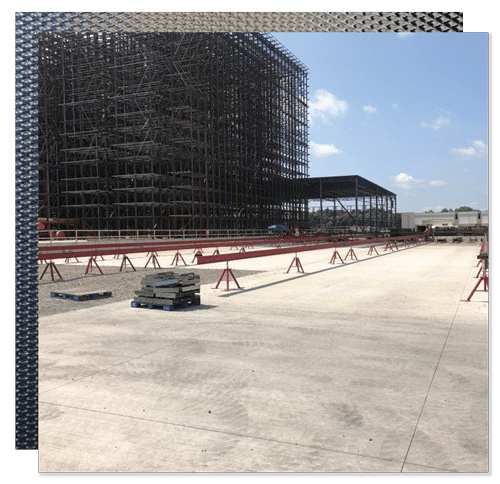
Indiana Bridge’s number one goal on every project is safety. Our zero-injury safety program is designed to eliminate accidents or injuries. This allows our team to complete your project as efficiently as possible. Contact us today to get started and experience the difference working with a safety-minded team can make.
“Zero-Injury Safety Program” FAQs
Indiana Bridge operates under the belief that safety is a mindset, not just a set of rules. Their goal is to send every employee home in the same or better condition than when they arrived, a commitment that drives every decision made on the shop floor and job site and is supported by transparent reporting so hazards can be identified and corrected early. Well-trained workers are better able to recognize hazards on-site. That proactive approach also includes hazard identification and continuous safety training.
Zero Injury is Indiana Bridge’s company-wide safety program that establishes the goal of zero workplace incidents. It incorporates a range of controls and best practices, including ongoing, role-specific training, designed to protect employees, maintain a safe working environment, and consistently achieve the highest standards of safety excellence. For applicable steel erection work, employee training aligns with OSHA’s 1926.761 requirements.
Yes. Indiana Bridge’s safety culture applies to all operations, including on-site steel erection and installation projects at the construction site, and that work begins with a comprehensive job hazard analysis before steel projects move forward. Common hazards include falling objects and working at heights. Temporary bracing is used during steel erection to maintain stability until connections are completed. Their safety program is designed to protect both employees and client personnel throughout every phase of a project.
Yes. Indiana Bridge adheres to OSHA standards for steel fabrication and steel erection under 29 CFR 1926. Their Zero Injury program goes beyond minimum compliance, instilling a proactive safety culture that aims to prevent incidents before they occur. OSHA mandates fall protection for workers above 6 feet. Crane inspection is required before each shift under OSHA expectations, and applicable training follows 1926.761 requirements. Steel erection is identified as one of the 10 most hazardous occupations, which is why Indiana Bridge prioritizes OSHA compliance.
A strong safety record reduces project delays caused by workplace incidents, lowers liability exposure for all parties, and gives clients confidence that their projects are being managed responsibly, especially when clear communication protocols prevent miscoordination during lifting operations. Avoiding steel erection accidents also means preventing issues such as premature crane disconnections. Indiana Bridge’s commitment to safety is a direct reflection of its broader commitment to quality and reliability. When fall protection is required, workers must stay tied off at their workstation, which helps maintain client confidence and reduce delays.